
Path Dependency and Courage
An Essay on Urban Design

On Vancouver Island, the housing crisis around Vancouver city spills into the forests. Clear cutting, flattening, and massive housing divisions crop up. Around Hillsboro and Beaverton, Oregon, farms disappear. Replaced by generic sketch-up contemporaries, discernible by their color and window spacing only. Outside of Leiden, Netherlands, new complexes arise in neat rows, offset, and provide ample pedestrian and cycling space to connect new residents to a myriad of travel options. Why the difference and why do we keep planning around sprawl and cars in North America? On avenue to understand the amalgamation of forces lies in Path Dependency.
Path Dependency describes a phenomena in which decisions on future systems follow decision-making processes from the past. A key process in many fields, the mindset of “this worked before” influences decision making on everything from bureaucratic processes to bike path design. Such path dependent processes arise for a few reason:
Avoiding Unpredictability: Because early events have a large impact on outcomes, a wide range of outcomes is possible starting from similar conditions. Small, contingent events can have large, enduring consequences; they do not “average out” over time. Thus, to prevent unpredictable outcomes, one tries to reduce variables and stick to what worked before.
Overcoming Inflexibility is Difficult: The further you go down a path, the harder it is to change course. Critical moments or “junctures” shape the basic contours of social life.
Potential Inefficiency: A path-dependent process can lead to an outcome that is less efficient than available alternatives because the costs of switching are too high. Yet, the unknown of seeking new and more efficient alternatives is too high a cost to justify.
An excellent summary of the above comes from Ernst and Preston (2017). They confer that path-dependent processes often manifest as a kind of historical inertia. Early choices close down the envelope of possible future choices in such a fashion as to reproduce established societal arrangements. Let’s look at a few pictures to drive this point home. First, a home development and subsequent “grow out” of the environmental features in the United States. Second, the same but from a home development in the Netherlands.
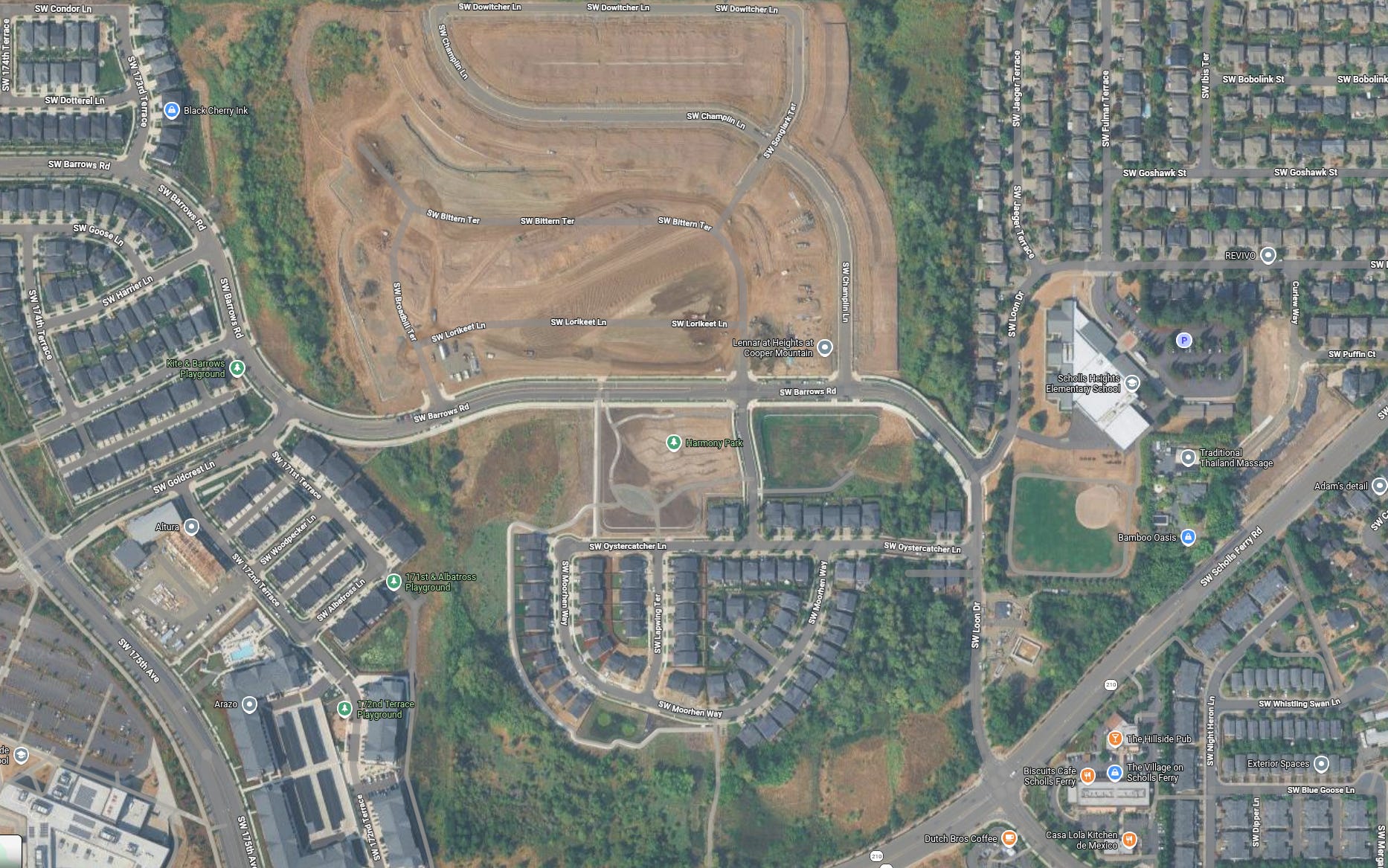
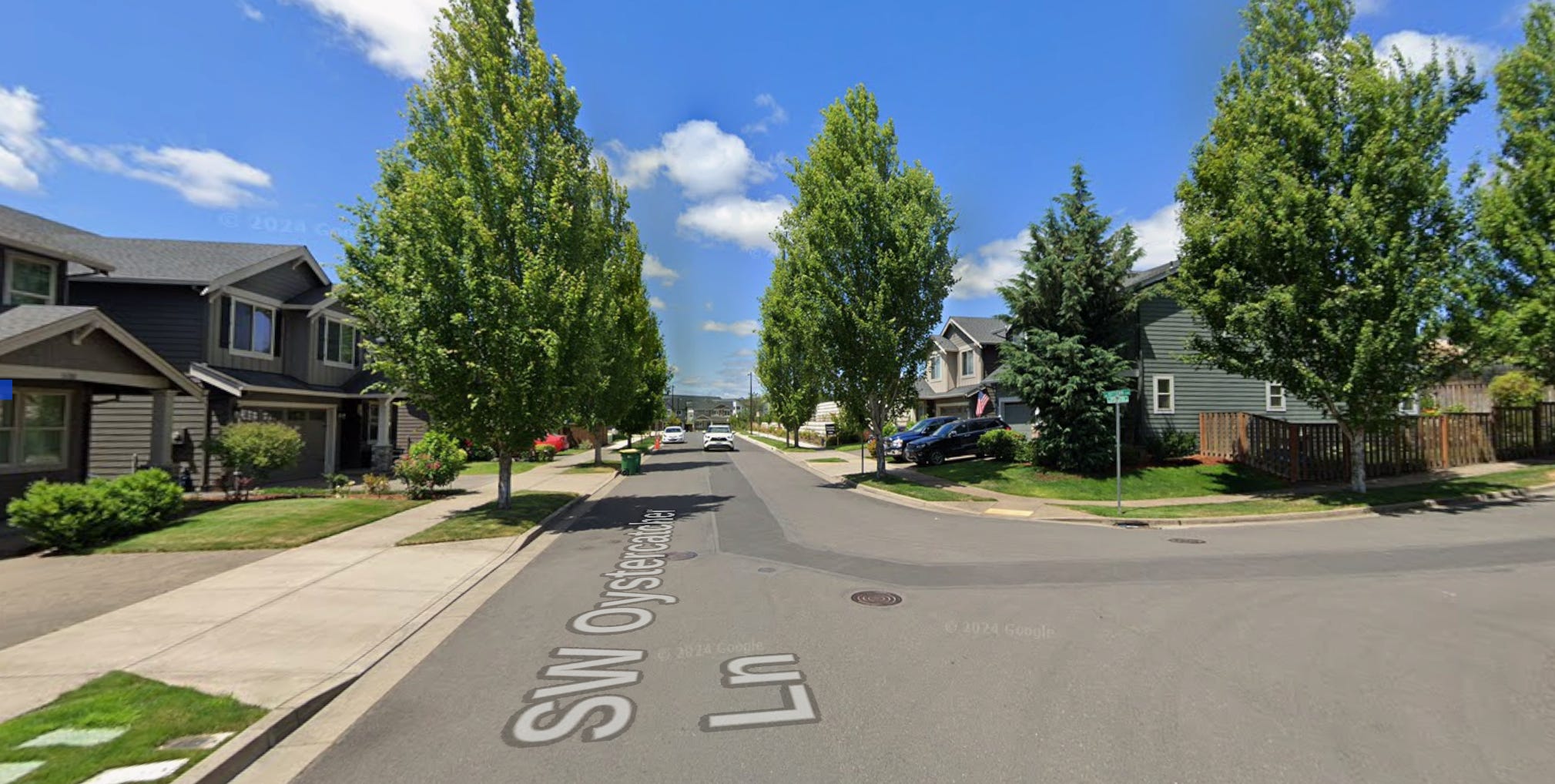
Pictures one and two showcase recent development in Beaverton, Oregon. A typical suburban neighborhood with ample room to blossom.
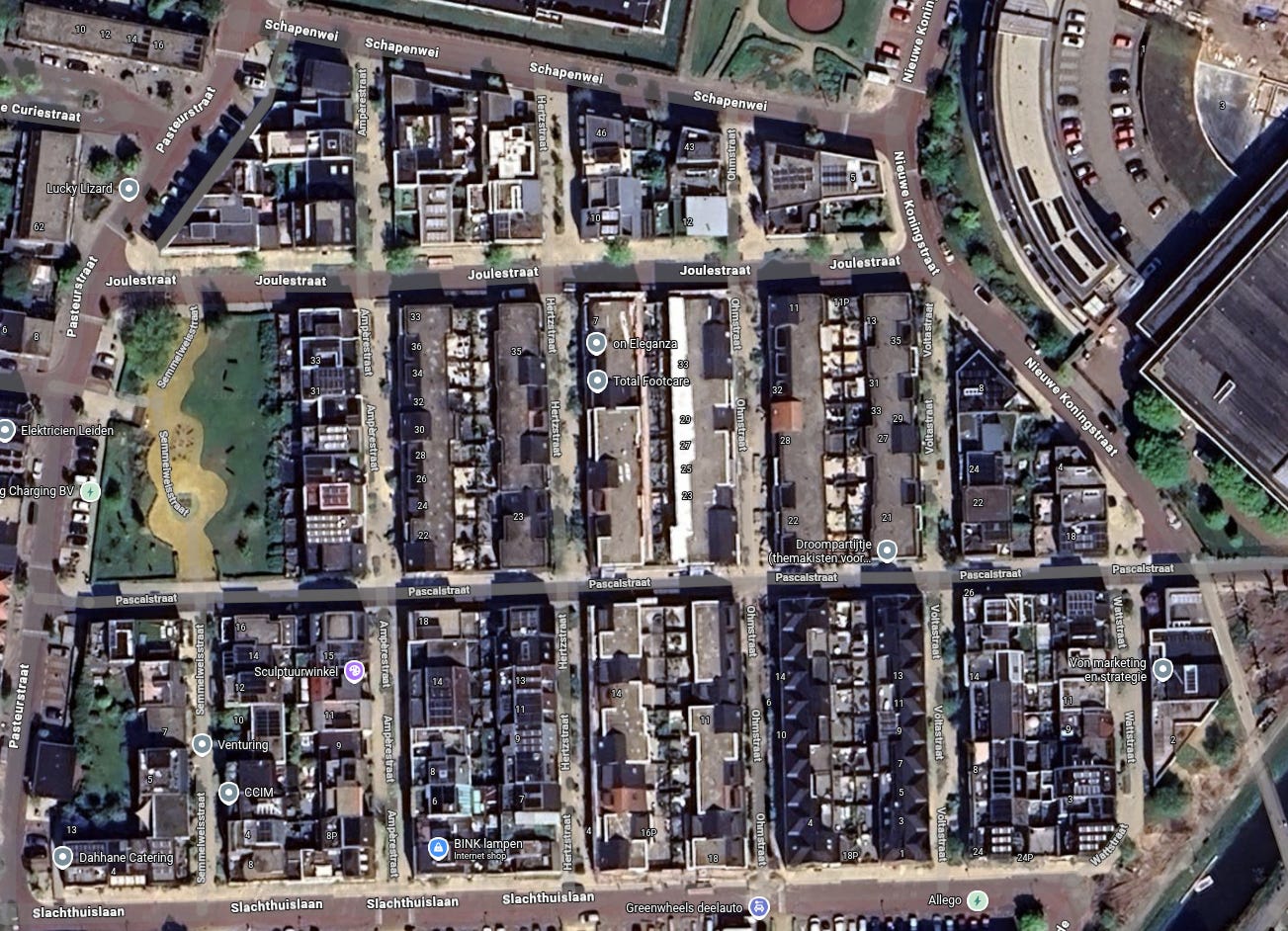
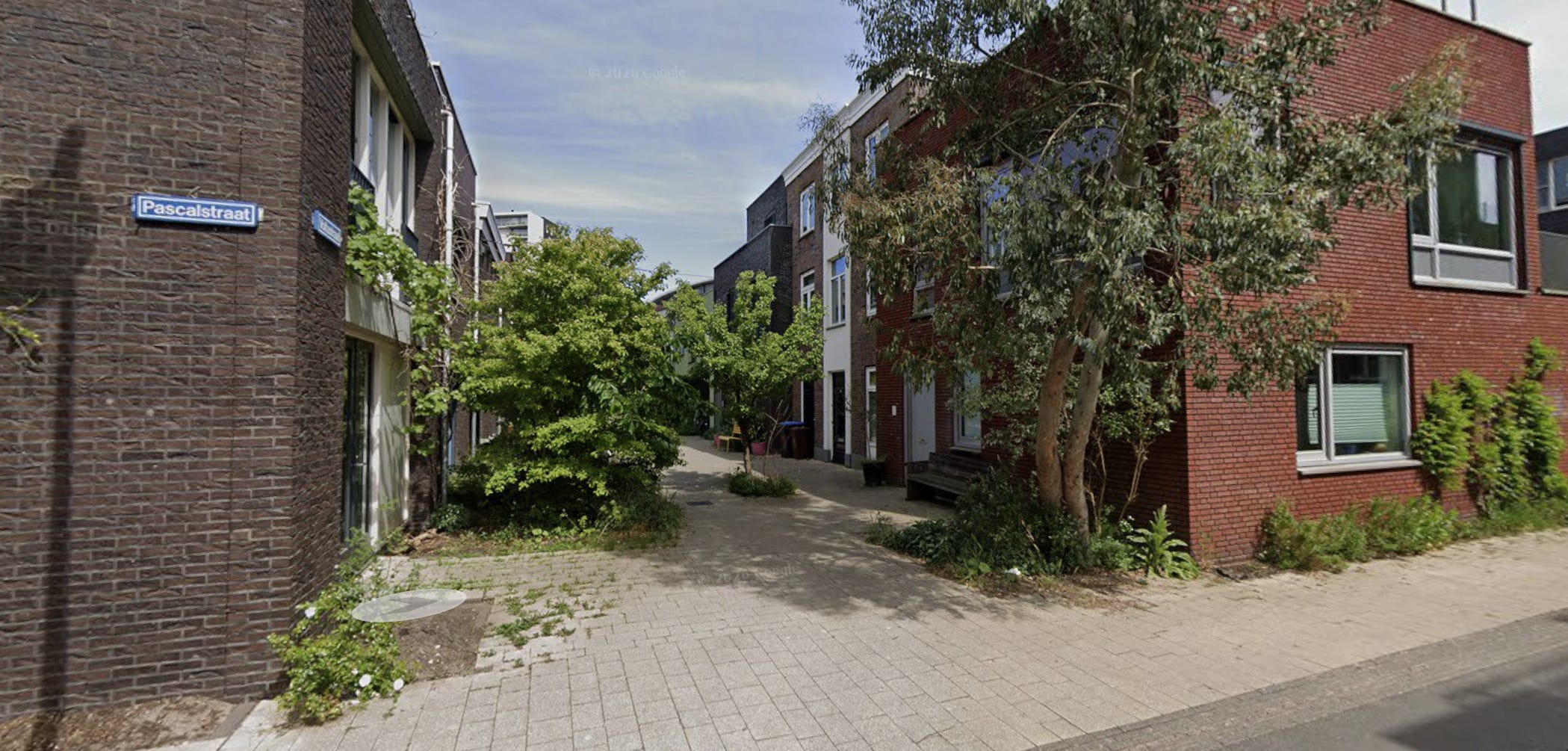
Pictures three and four showcase recent development in Leiden, Netherlands. A beautiful and modern rendition of the classic dutch row home.
Despite climate and walk-ability initiatives across the world, our design and development process “locks in” old ways of doing design, financing, and planning arrangements. Ernst and Preston continue:
given: (1) the sunk costs [what you spent in dollars, time, etc.] associated with the current system, (2) the accumulation of experience around established technologies and institutions, (3) self-fulfilling expectations about the persistence of these arrangements, and (4) increasing benefits of moving in the established direction – e.g., standardization and access to financing. Beyond these four drivers of path dependence, patterns of self-reinforcement also occur because specific institutions and technological arrangements tend to become accepted as natural the longer they are in place…
Both sets of photographs illustrate these drivers. Though one may prefer a set of design over another, both contain more of the same. The typical North American suburban neighborhood, constructed around the car and largely exclusionary. Large grass yards, space between homes, and no distinguishing separation between non-car modes of transport. Priced for upper-middle class. In the Netherlands, modern takes on traditional row homes. Space in-between for mixed use sans automobiles. Little if any private green space with a common use park and greenery in the public way. Priced for upper-middle class buyers. Despite appearances, both sets of designs follow tried and true methods that attract a predictable population. That population drives predictable outcomes through metrics of economic growth, job creation, and crime rates. These designs and decisions are not what we need to face the challenges of our time. Climate change and economic disparity are pressing communities all over the world to the breaking point. Designers, planners, developers, are not up to the challenge. We need to have courage, be brave, and be bold. That’s hard, but necessary, work.
Empowering Bravery
Why aren’t we brave? It starts with the precarity of our world. Job security is precarious. Life costs too much to live. Many are tired, burned out, or simply checked out. It’s understandable given the state of the world. But we need to think about what we stand to lose by following the same path. We may not fix it all for ourselves, but we must setup a future that succeeds. Quickly at that. Start with mentorship, of our students, interns, and early career professionals. It is far too easy in our present system to sign off on an old way of doing. To show students and early career professionals how to get something passed easily. It is not as easy to challenge and change. We must challenge and change.
We start this process with out young people. We can start by paying them a living wage. Especially our interns. They can not innovate if they can not eat or house themselves. Next, consider how we integrate interns and early career graduates into our networks and systems. We teach them, implore them even, to follow in our path. To seek funding in one way, setup a building in another, and point them in a direction for easy success that mimicked our own. Yet the world and the environment are not the same for them. Indeed, path dependency is a heavy anchor slowing down change. The sunken costs of infrastructure, the institutional knowledge built around familiar models, and the financial systems calibrated to predictability all conspire against innovation. Yet the climate crisis and growing inequality demand that we find the courage to, borrow from a military term, cut sling load. This requires both true mentorship and the courage to fail.
True mentorship in planning and design must shift from teaching newcomers how to navigate existing systems to empowering them to redesign those systems. This requires more than technical skill, of course. The shift demands vulnerability from experienced professionals willing to risk their reputations on untested approaches. It means accepting that some ideas will fail, but that failure is preferable to perpetuating arrangements that no longer serve our communities or our planet. Some places are teaching this way and hiring professors with the mindset. Some firms are too, especially in the consulting world. However, they are few and far between. A far cry from what is needed to deviate from the easy and walk head first into a challenge.
The next generation of designers stands at a juncture much like those described in path dependency theory. Their choices now will lock in patterns for decades to come. Will they replicate the sprawl that has defined North American development, or design trendy row homes that cater to only to expats and top earners? Or will they chart courses toward new more sustainable, more equitable communities? The answer depends less on technology or policy than on whether those currently in positions of influence choose to champion boldness over safety.
I am going on a two week hiatus as I move across the world. I’ll be back on May 11th. Until then, take care and be safe.